The Myth of the Perfect Creative Routine
A creative routine need not follow a fixed daily schedule. Learn how to adjust it when time, energy or attention changes, without turning practice into a test.

You sit down to draw after dinner, but the day has taken more out of you than expected. The pencil stays still while you wonder whether missing your usual hour means you have lost your rhythm. A creative routine can help you return to the work, but it need not be a fixed daily schedule or a test of commitment.
Think of a routine as an invitation you can revise. If it only works under ideal conditions, it is too brittle for ordinary life. When it falters, look for the specific snag before deciding you need more discipline.
When the schedule slips
What goes wrong: A planned session gets displaced by work, family needs, a late bus or simple fatigue. One missed day starts to feel like a broken chain, so the next session becomes harder to approach.
What usually causes it: The routine is tied to a particular hour rather than to a workable opening. A time-based plan can be useful, but it cannot account for every change in a day.
Try this, in order:
- Notice whether the obstacle was temporary or keeps returning. A one-off disruption may need no redesign.
- Choose an alternative cue, such as the quiet after breakfast or the moment you put the kettle on.
- Keep a smaller version of the session available. You might reopen a poem and mark one line to revisit, rather than insisting on a full writing period.
- Return to the usual plan when it fits again; do not add a catch-up session as punishment.
Say you planned to work on a lino print after dinner, but the evening becomes busy. You move the invitation to Saturday morning and leave a note beside the ink that says which shape to cut next. The note gives you an observable way back in: you can pick up the unfinished decision instead of rebuilding the whole task from memory.
When starting feels heavy
What goes wrong: You have a free moment, yet opening the sketchbook or instrument feels like another task. You may spend the time arranging supplies, choosing a subject or scrolling for inspiration, then stop before making anything.
What usually causes it: The routine asks you to make too many decisions at the doorway. “Work on my music” can mean choosing a piece, warming up, finding a recording and judging whether the session is worthwhile. That is a crowded entrance.
Try this, in order:
- Write down the next visible action before ending a session: “try the chorus more slowly” or “draw the cup from the side”.
- Make the starting materials easy to reach, without turning preparation into a project.
- Begin with that action and allow yourself to change direction once you are engaged.
- If starting still feels unwelcome, shorten the invitation or choose a different medium for that day.
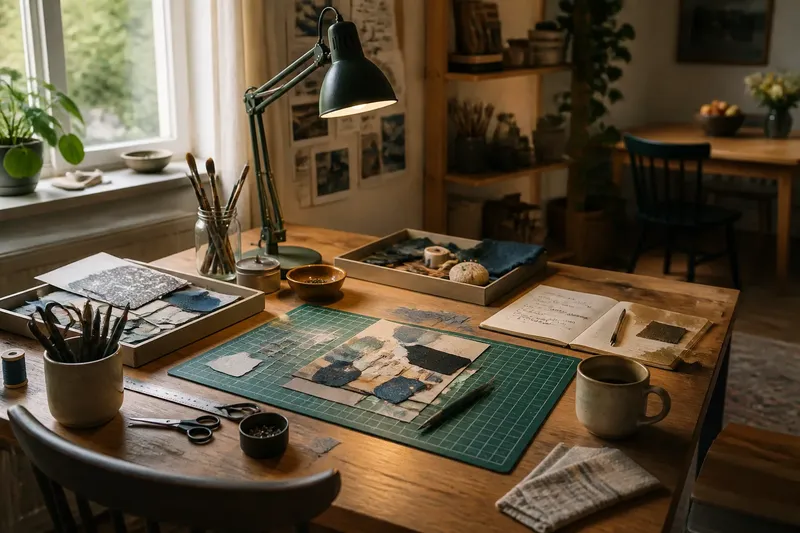
Not every session needs a warm-up ritual, a special playlist or a beautifully arranged desk. If preparation takes more effort than the work it is meant to support, simplify it. Keep the tool you need nearby and let the rest wait.
When energy changes
What goes wrong: A routine that suits an alert morning feels impossible after a demanding day. You may still sit through it, but the session becomes a quiet argument with yourself.
What usually causes it: The plan assumes your attention and energy are constant. Creative work asks different things of you: drafting, revising, practising a difficult passage and sorting materials do not all require the same kind of concentration.
Try this, in order:
- Ask what kind of attention is available: focused, wandering, hands-on or brief.
- Match the task to that state where you can. A low-energy day might suit collecting references or preparing a palette; a clearer stretch may suit a difficult edit.
- Keep the aim modest and specific, so that changing the task does not become a reason to abandon the practice.
- Afterwards, note which kinds of work felt possible in that circumstance. Treat the note as information, not a verdict about your character.
This does not mean waiting for perfect inspiration. It means distinguishing a demanding task from a more accessible one, so the routine can meet the day without pretending every day is the same.
When progress feels invisible
What goes wrong: You make things regularly, but each session seems too small to matter. The unfinished canvas or half-learned melody can make the practice feel fruitless.
What usually causes it: The routine is being judged only by finished work. Making also includes trying a form, noticing a problem, collecting material and deciding what not to keep. Those acts may leave little to display, but they can shape what comes next.
Try this, in order:
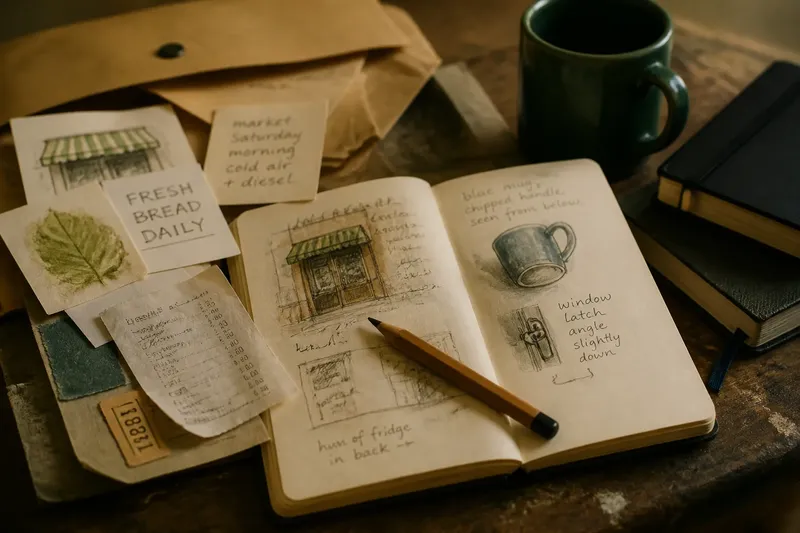
- Choose a record that suits the practice: a date on a draft, a short voice memo, a folder of rejected colour studies or a note about a tricky transition.
- At the end of a session, record one decision or discovery rather than rating the work.
- Review those traces occasionally and ask what they suggest you might try next.
- If the record itself becomes burdensome, stop keeping it. The practice does not need paperwork to count.
A small archive can make return easier, but it should not become a second creative obligation. Keep only the traces that help you see a path forward.
When a routine goes stale
What goes wrong: The habit continues, yet you feel as though you are repeating the same move. The routine may have once made room for experimentation and now feel like a narrow assignment.
What usually causes it: A useful pattern has been mistaken for a permanent rule. Repetition can steady a practice, but the conditions and interests that made the pattern useful may change.
Try this, in order:
- Identify the part that still helps, such as a regular meeting with a collaborator or a quiet place to work.
- Name the part that has gone stale: the hour, the medium, the task, or the expectation that every session must produce something polished.
- Change one part at a time. Move the session, swap a familiar exercise for a new prompt, or invite a partner to bring a different material.
- Keep the adjustment only if it makes returning more possible; revise again if it does not.
Changing a routine is not proof that you lack commitment. It can be a way of staying attentive to the practice rather than obeying a pattern that no longer serves it.
Questions about creative routines?
Do I need to make art every day?
No. A daily rhythm suits some people, while others work in weekly sessions, seasonal bursts or shorter openings between other commitments. Choose a pattern you can return to without treating missed time as a moral failure.
How long should a creative session last?
Long enough to take one useful action, but not so long that the duration becomes the main test. You can adjust the length to the task and your available attention, then leave a clear note for your next visit.
What if I keep changing my routine?
Changing it can be sensible if you can name what is not working and what you want to make easier. Try one adjustment, observe whether it helps you begin or return, and avoid replacing the whole pattern just because one session felt awkward.
Is a routine still useful without a fixed time?
Yes. A routine can be a sequence, a recurring cue or a prepared next action rather than a clock appointment. The point is to create a recognisable way into the work, not to make every day look alike.
Keep the invitation open
A workable creative routine should leave room for both return and revision. When it fails, separate the problem from the person: a crowded doorway calls for a clearer first action, while a changing day may call for a different task or time. For anyone searching for a creative routine that lasts, the useful question is not whether the schedule is perfect, but whether it still offers a welcoming way back to making.